Souls: The Weighing of Souls at Vézelay Basilica
Introduction
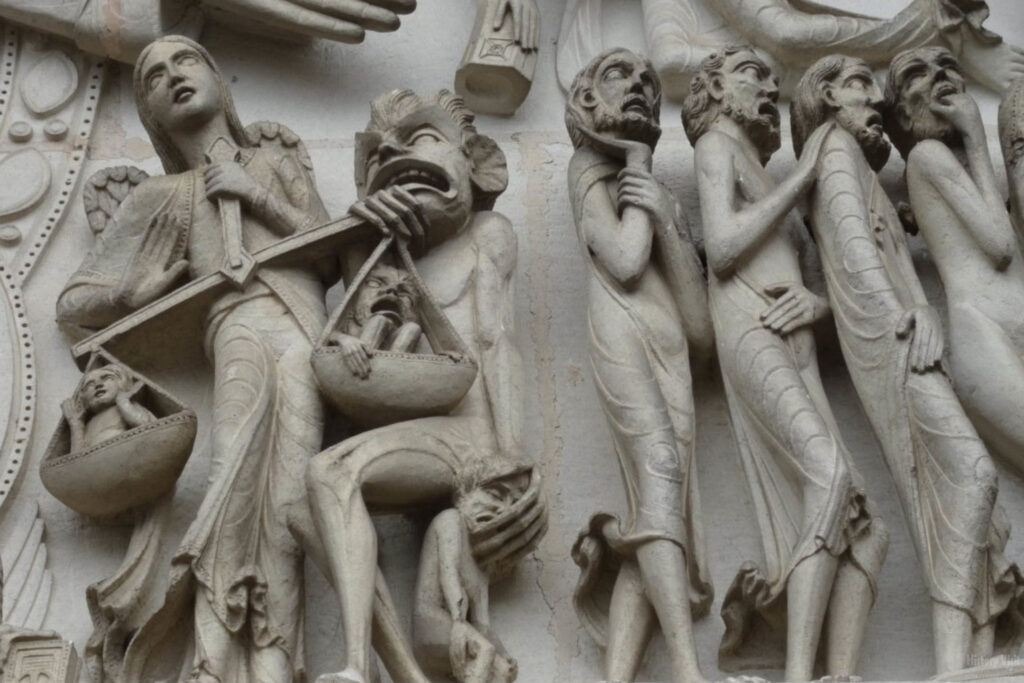
Souls have inspired religious art for centuries. Medieval sculptors created powerful stories in stone. The Weighing of Souls remains one of the finest examples.
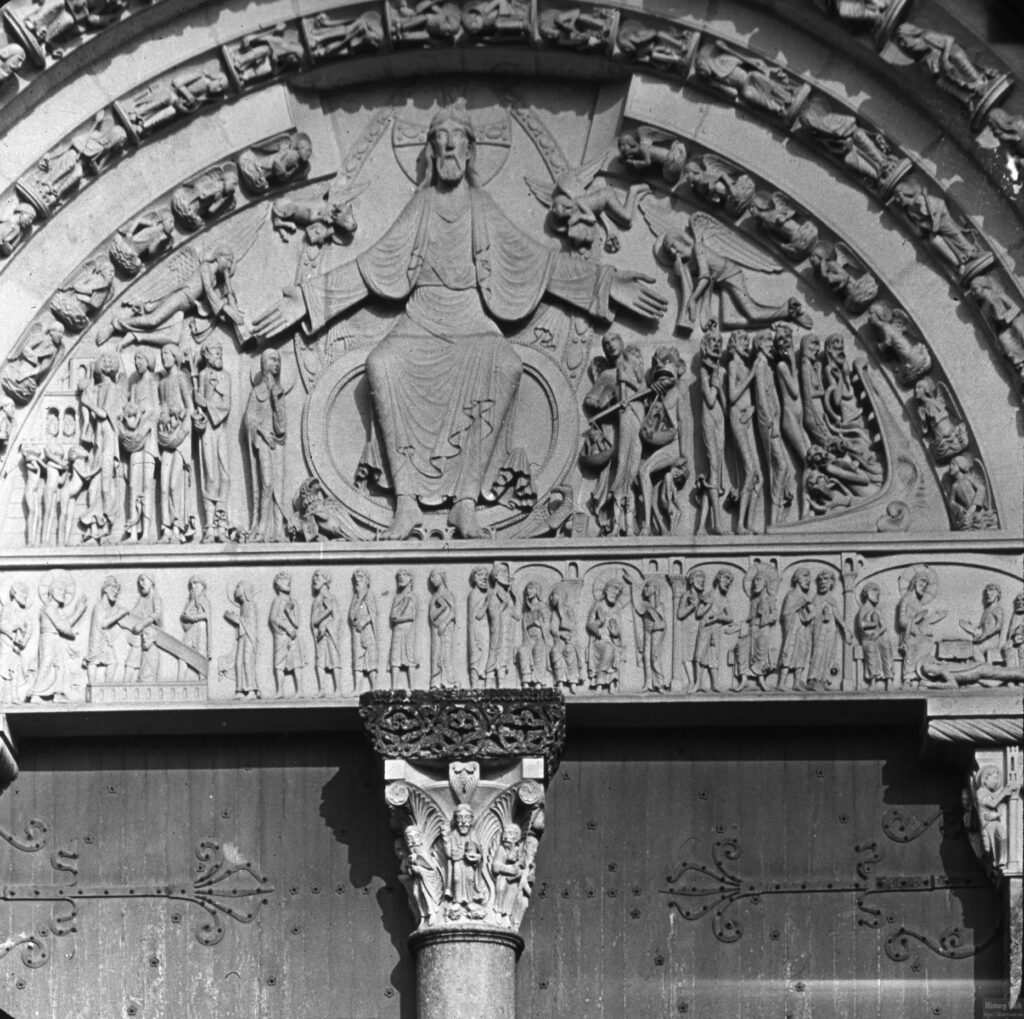
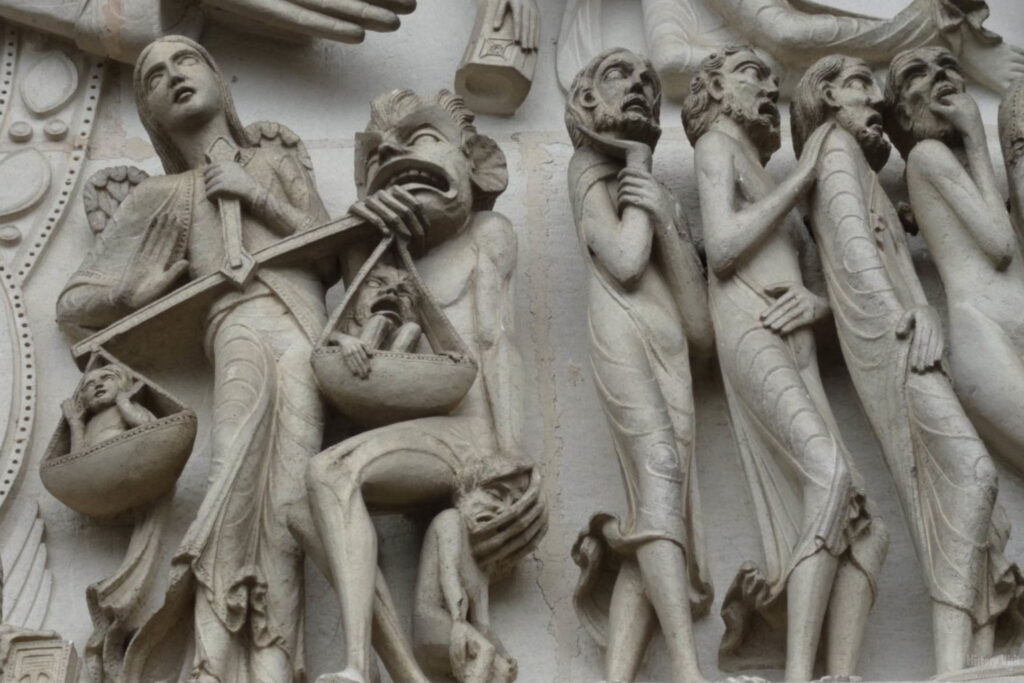
The Romanesque sculpture appears on the tympanum of the Basilica of Sainte-Marie-Madeleine. The basilica stands in Vézelay, France. Pilgrims admired this masterpiece during the twelfth century.
The relief combines faith, symbolism, and artistic excellence. Every figure carries spiritual meaning. The sculpture continues attracting historians, pilgrims, and art lovers worldwide.
The History Behind The Weighing of Souls
The Weighing of Souls belongs to the Romanesque period. It dates to the twelfth century. This era celebrated Christian storytelling through sculpture.
The Basilica of Sainte-Marie-Madeleine became an important pilgrimage destination. Thousands visited every year. Many travelers continued toward Santiago de Compostela.
Romanesque churches taught biblical lessons visually. Most worshippers could not read. Sculptures explained Christian beliefs through familiar symbols.
The Weighing of Souls became one of those visual lessons. It reminded visitors about judgment. Every believer understood its powerful message.
Souls and the Basilica of Sainte-Marie-Madeleine
The Basilica of Sainte-Marie-Madeleine dominates the hilltop town of Vézelay. Its architecture reflects Romanesque strength. Thick walls support impressive stone carvings.
The church became famous for housing relics of Mary Magdalene. Pilgrims crossed Europe to visit. Faith strengthened the town’s importance.
Souls appear throughout the decorative program. Sculptures guided visitors toward spiritual reflection. Every entrance prepared pilgrims for worship.
The tympanum became the most dramatic feature. It welcomed visitors before entering. The relief prepared minds for sacred space.
Romanesque Sculpture and Religious Teaching
Romanesque sculpture emphasized clear storytelling. Artists simplified forms intentionally. Every figure communicated spiritual truth.
Souls often appeared within biblical scenes. Medieval believers understood their symbolic importance. Salvation remained life’s highest goal.
Artists carved expressive faces instead of realistic anatomy. Emotion carried greater value. Spiritual meaning outweighed physical perfection.
Church sculpture served education first. Beauty supported faith. Every carving encouraged moral reflection.
The Meaning of Psychostasis
Psychostasis means the weighing of souls. The word comes from Greek tradition. Christianity later adopted the powerful image.
The concept appears across medieval Europe. Artists portrayed divine judgment through balanced scales. Good and evil competed visibly.
Souls represented individual lives before God. Every action mattered. Judgment determined eternal destiny.
The symbolism reached every visitor immediately. No written explanation seemed necessary. Stone communicated the entire message.
Souls and the Archangel Michael
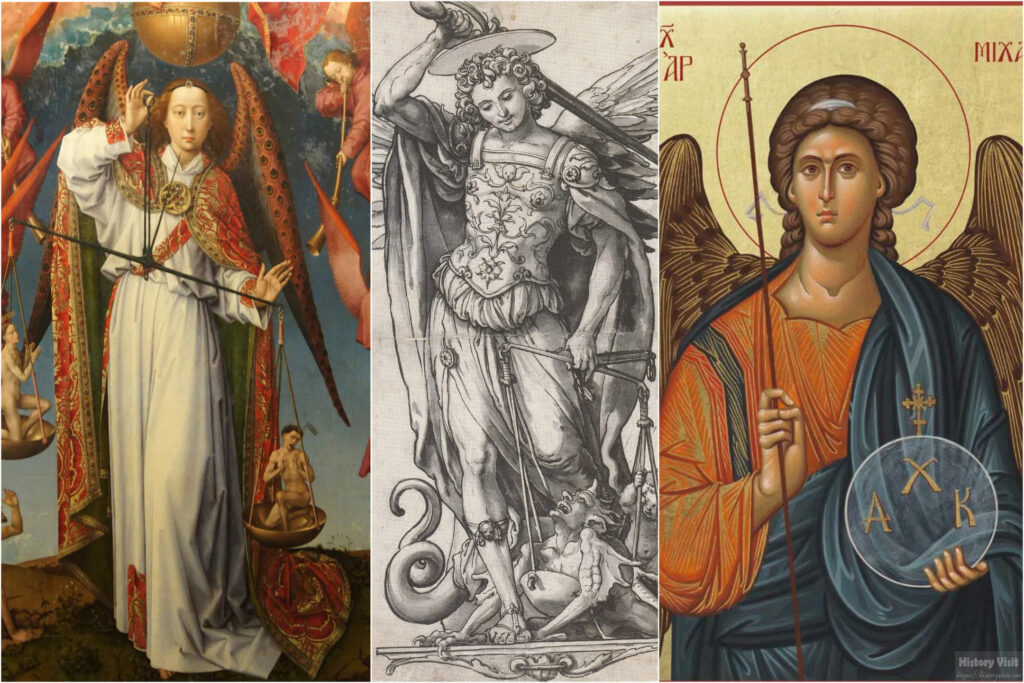
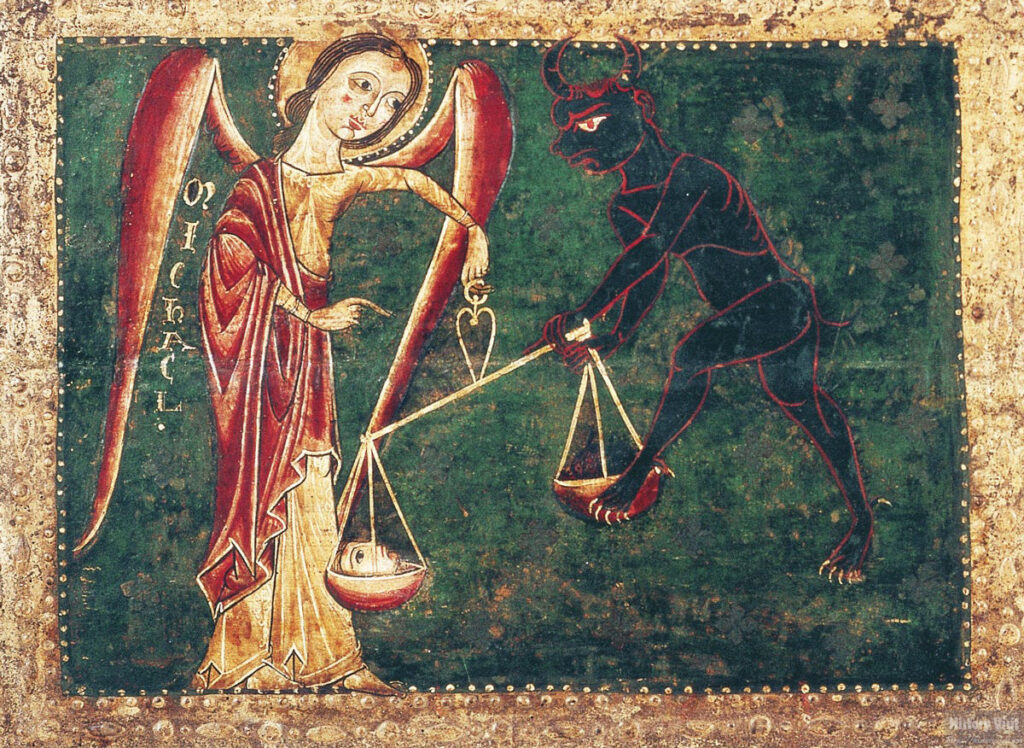
Archangel Michael stands at the center of judgment. He holds the balance carefully. His calm posture reflects divine justice.
Michael protects faithful believers. Christian tradition celebrates his courage. He defeats evil throughout scripture.
Souls rest upon the weighing scales. Their eternal future hangs in balance. Every detail increases dramatic tension.
Michael remains peaceful despite surrounding conflict. Justice never becomes emotional. Divine fairness guides every decision.
The Demons Within the Scene
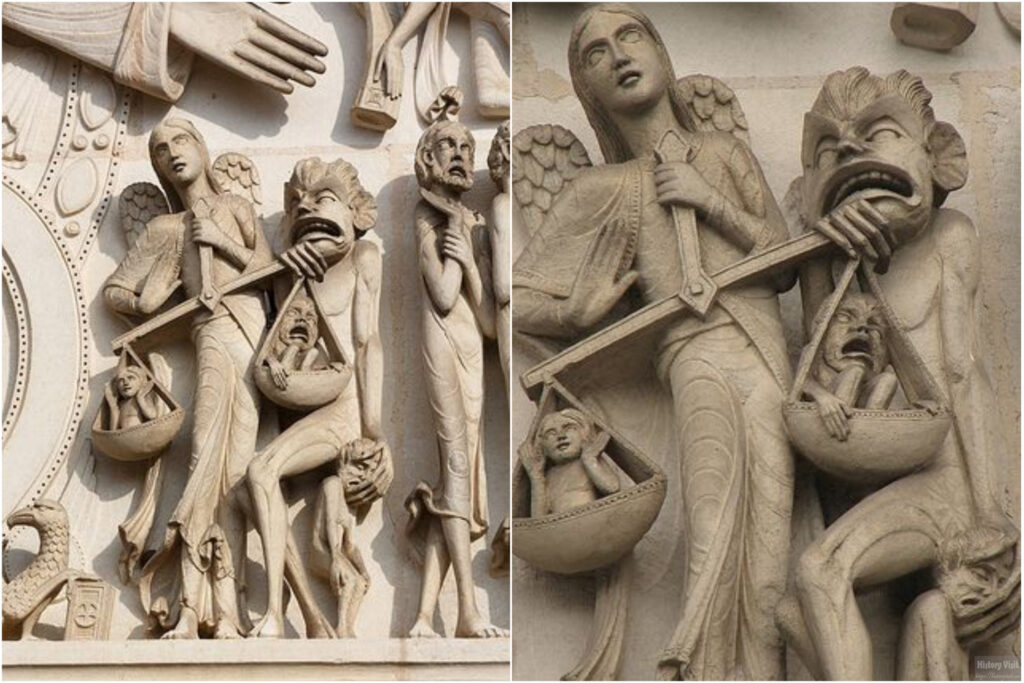
Demons appear beside the scales. They attempt deception constantly. Their expressions reveal frustration.
One demon pulls the balance downward. Another watches carefully. Evil always seeks advantage.
Souls become the focus of this struggle. The figures symbolize temptation. Sin tries influencing every life.
Medieval viewers understood these warnings immediately. Daily choices carried eternal consequences. The sculpture reinforced personal responsibility.
Symbolism of the Scales
Scales represent justice throughout history. They symbolize fairness and truth. Christianity expanded their spiritual meaning.
Souls receive equal judgment before God. Wealth offers no advantage. Power cannot influence divine justice.
Balance also symbolizes moral accountability. Good actions matter greatly. Evil actions carry consequences.
The sculptor emphasized perfect equilibrium. Every line supports this theme. Viewers recognize fairness immediately.
The Artistic Style of the Relief
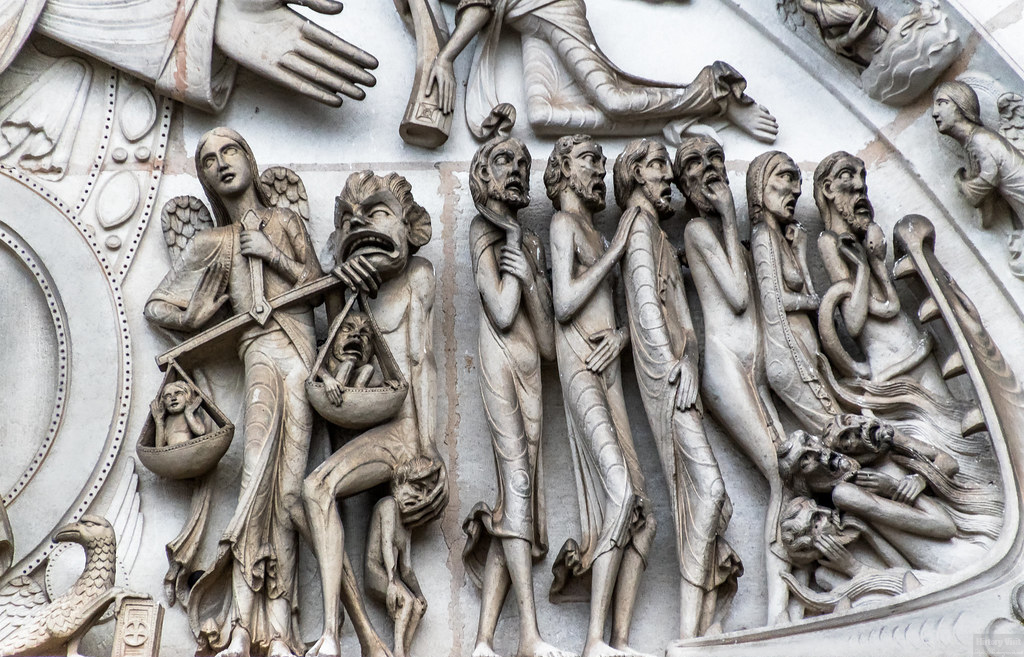
Romanesque artists preferred bold compositions. Figures appear strong and direct. Decorative rhythm replaces natural movement.
Deep carving creates dramatic shadows. Sunlight changes the relief daily. Different hours reveal fresh details.
Souls remain visually central. Surrounding figures support the narrative. Every element strengthens the composition.
The sculptor balanced complexity with clarity. Visitors followed the story easily. Excellent planning shaped the entire design.
Medieval Beliefs About Judgment
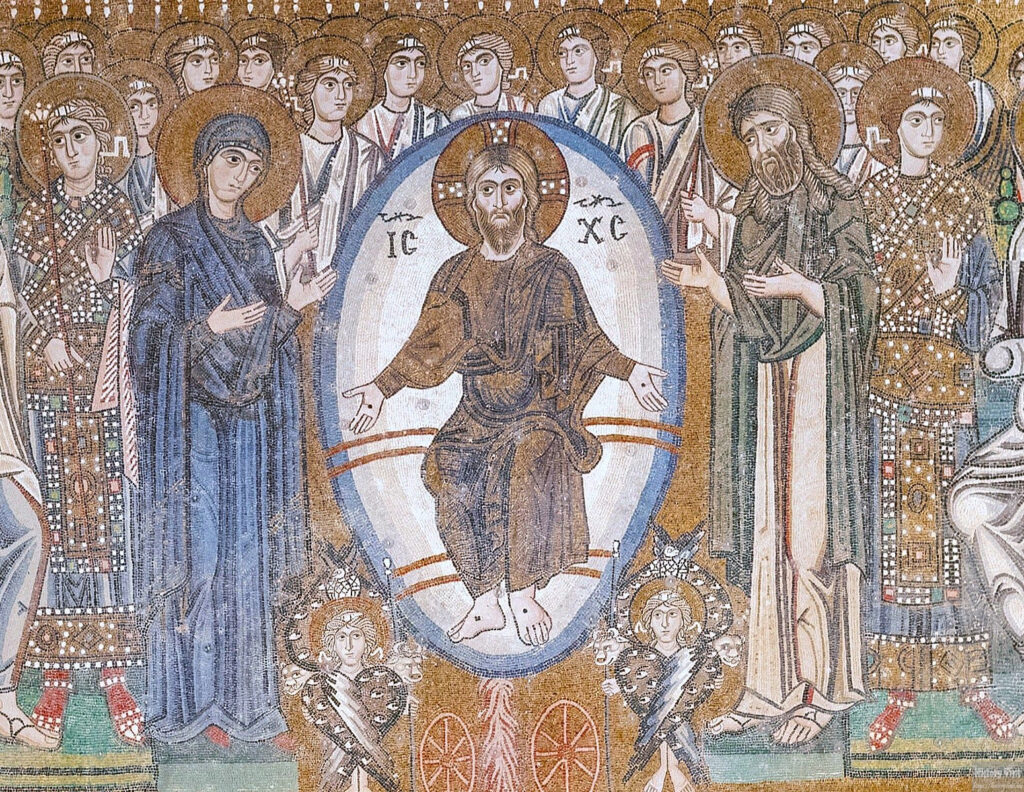
Judgment formed a central Christian belief. Medieval sermons emphasized accountability. Churches reinforced this teaching visually.
Souls faced reward or punishment. Heaven represented eternal joy. Hell symbolized permanent separation.
Believers prepared through prayer and repentance. Pilgrimage strengthened spiritual commitment. Faith shaped everyday decisions.
The relief reminded visitors continually. Judgment remained certain. Preparation began during earthly life.
Souls and Medieval Pilgrimage
Souls remained central to medieval pilgrimage. Travelers sought forgiveness and spiritual renewal. Sacred places strengthened their faith.
The Basilica of Sainte-Marie-Madeleine welcomed countless pilgrims. Many paused before entering. The tympanum offered their first lesson.
The relief reminded every visitor about judgment. Each traveler reflected upon personal choices. The message encouraged repentance.
Pilgrimage involved both body and spirit. The sculpture reinforced that purpose. Faith guided every step.
Souls and Biblical Inspiration
Souls appear throughout Christian scripture. The Bible speaks often about judgment. These passages inspired medieval artists.
The Book of Revelation influenced many sculptors. Final judgment became a familiar theme. Churches displayed these scenes prominently.
The Gospel of Matthew also shaped interpretation. Christ described separating the righteous from sinners. Medieval believers remembered these teachings.
The sculptor transformed scripture into stone. Visitors understood the message instantly. Art supported biblical instruction.
The Architecture Surrounding the Tympanum
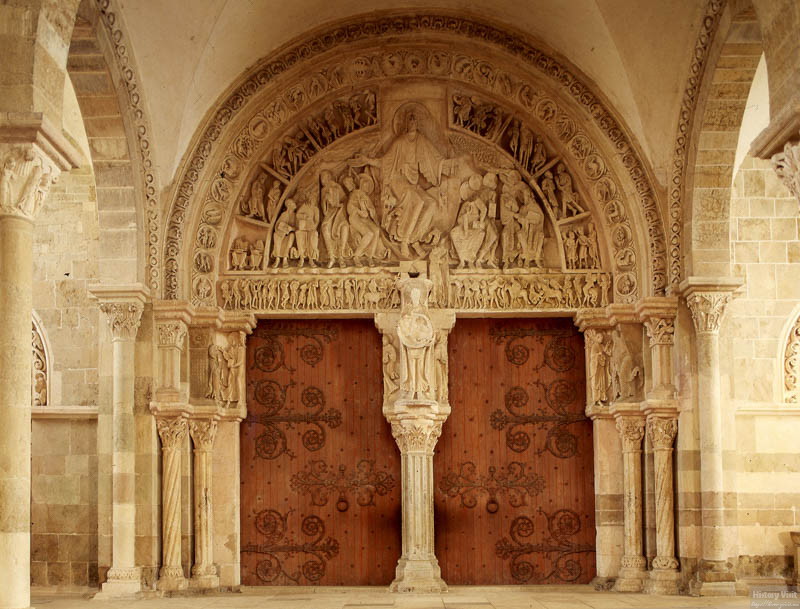
The tympanum crowns the basilica entrance. Its position carries symbolic meaning. Worship begins before entering.
Romanesque arches frame the relief beautifully. Strong curves guide the eye. Every stone supports the composition.
Souls remain the visual center. Decorative borders enrich the narrative. Architectural harmony strengthens spiritual impact.
The entrance becomes more than a doorway. It marks spiritual transition. Visitors leave ordinary life behind.
Artistic Techniques Used in the Sculpture
Romanesque sculptors worked with simple tools. Skill mattered more than technology. Experience guided every cut.
Deep carving created powerful shadows. Sunlight changed the appearance daily. Different seasons revealed fresh beauty.
Souls stand out through careful composition. Important figures appear larger. Secondary figures support the story.
Texture also creates visual contrast. Smooth areas catch light. Rough surfaces increase dramatic depth.
The Emotional Power of the Relief
The sculpture speaks without words. Every gesture carries meaning. Every expression teaches faith.
Souls create emotional connection immediately. Viewers imagine their own judgment. Reflection becomes personal.
Michael appears calm and confident. Demons appear restless and desperate. This contrast increases dramatic tension.
The relief encourages hope instead of fear. Justice remains balanced. Mercy remains possible.
Romanesque Style Compared With Gothic Art
Romanesque sculpture favors strength. Figures appear solid and symbolic. Decorative rhythm dominates.
Gothic sculpture later embraced realism. Bodies became more natural. Expressions grew increasingly emotional.
Souls remained important in both styles. Artistic methods changed gradually. Religious themes stayed consistent.
The Vézelay relief represents Romanesque excellence. Its bold design influenced later generations. Artists admired its clarity.
Preservation of The Weighing of Souls
Centuries have passed since creation. The sculpture still survives. Careful preservation protects its beauty.
Weather challenged the stone repeatedly. Restoration helped maintain important details. Experts respect original craftsmanship.
Souls continue inspiring modern visitors. Historians study every figure. Conservators protect every surface.
The basilica remains internationally recognized. Its sculptures attract global attention. Cultural value continues growing.
Cultural Influence Across Europe
Romanesque churches shared similar themes. Judgment scenes appeared widely. Regional artists added unique details.
Souls became universal Christian symbols. Every community understood their meaning. Faith united different cultures.
The Vézelay sculpture inspired later artists. Similar compositions appeared elsewhere. Medieval creativity spread widely.
Today the relief remains influential. Scholars reference its symbolism often. Museums celebrate its artistic importance.
Why The Weighing of Souls Still Matters
Modern audiences admire the craftsmanship. Historians appreciate the symbolism. Pilgrims value spiritual meaning.
Souls continue raising timeless questions. Every generation considers morality. Every culture explores justice.
The sculpture encourages thoughtful reflection. Material wealth disappears eventually. Character remains important.
Its message remains universal today. Justice, hope, and responsibility never lose importance.
Legacy of The Weighing of Souls
The relief represents Romanesque achievement. Artistic excellence meets spiritual teaching. Both remain equally powerful.
Souls connect medieval faith with modern curiosity. Visitors continue discovering new meanings. Scholarship expands continually.
The Basilica of Sainte-Marie-Madeleine preserves this masterpiece carefully. Future generations will benefit. Cultural heritage remains secure.
This sculpture stands among Europe’s greatest medieval treasures. Its influence reaches beyond France. Its legacy continues worldwide.
Conclusion
Souls remain the heart of The Weighing of Souls at Vézelay. The relief combines theology, symbolism, and exceptional Romanesque craftsmanship. Every figure tells a meaningful story.
The twelfth-century sculpture transformed stone into spiritual teaching. Pilgrims learned through powerful images. Modern visitors continue finding inspiration and historical insight.
Today, The Weighing of Souls remains one of medieval Europe’s finest sculptures. Its timeless message about justice, faith, and hope continues inspiring people across generations.


