Saint Sebastian By Nicolas Blasset (1634)
Introduction
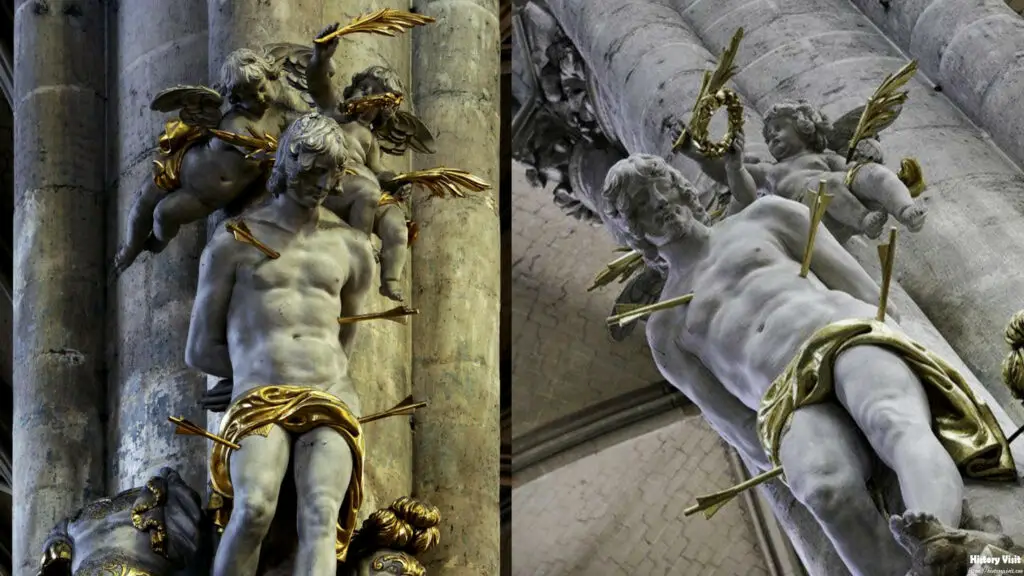
Saint Sebastian stands as a powerful symbol of faith and endurance. Saint Sebastian appears often in European sculpture and painting. This article explores the 1634 statue by Nicolas Blasset.
Saint Sebastian was martyred early during Roman persecution. His story inspired artists across centuries. Devotion grew through legend, memory, and sacred space.
Saint Sebastian became central to Christian visual culture. The Amiens Cathedral statue shows devotion, pain, and calm belief. This work reflects Baroque spiritual ideals.
Saint Sebastian and Early Christian Memory
Saint Sebastian lived during Roman imperial rule. He served as a soldier under Emperor Diocletian. His faith remained hidden for years.
Saint Sebastian secretly supported imprisoned Christians. He offered comfort and courage. His actions risked exposure and death.
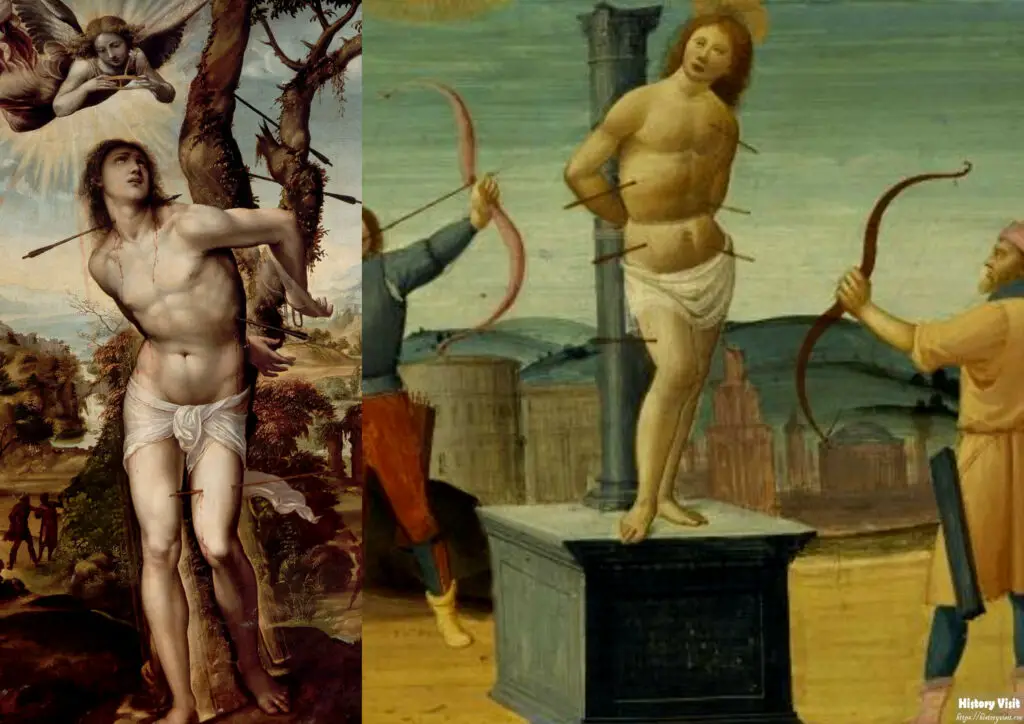
Saint Sebastian was discovered after his faith was revealed. Diocletian ordered his execution by arrows. He survived the first attempt.
Saint Sebastian later confronted the emperor. He spoke against persecution openly. This act sealed his fate.
Saint Sebastian and Martyrdom Traditions
Saint Sebastian was martyred early in Roman persecutions. These events shocked Christian communities. Stories spread quickly across regions.
Saint Ambrose recorded early veneration of Saint Sebastian. He noted devotion in Milan during the fourth century. This confirms early reverence.
Saint Sebastian gained recognition as a heroic martyr. His endurance inspired believers. His image became symbolic.
Saint Sebastian represented courage through suffering. This theme guided later artistic depictions. Artists emphasized calm strength.
Saint Sebastian and Sacred Architecture
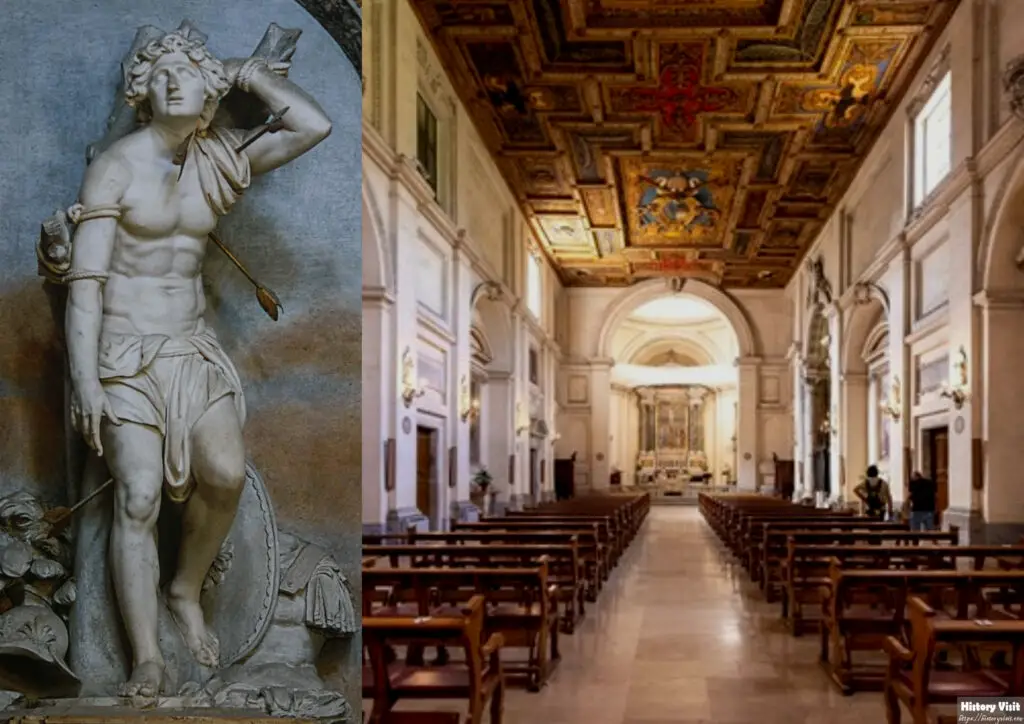
Saint Sebastian was buried near Rome. A major church was built over his grave in 367. Pilgrims visited this sacred site.
Saint Sebastian became linked with healing and protection. People prayed during plagues and wars. His cult expanded rapidly.
Saint Sebastian was honored across Europe. Churches, altars, and relics spread devotion. Art followed belief.
Saint Sebastian’s burial church strengthened his legacy. Architecture and sculpture reinforced memory. Faith shaped space.
Saint Sebastian as Patron of Soldiers
Saint Sebastian became a patron saint of soldiers. His military role supported this belief. Courage defined his legacy.
Saint Sebastian symbolized loyalty and moral strength. Soldiers admired his discipline. Faith and duty merged.
Saint Sebastian appeared in military chapels. His image offered spiritual protection. Devotion crossed borders.
Saint Sebastian’s popularity grew through armies. Artistic commissions increased. Sculpture preserved his story.
Saint Sebastian in Baroque Art
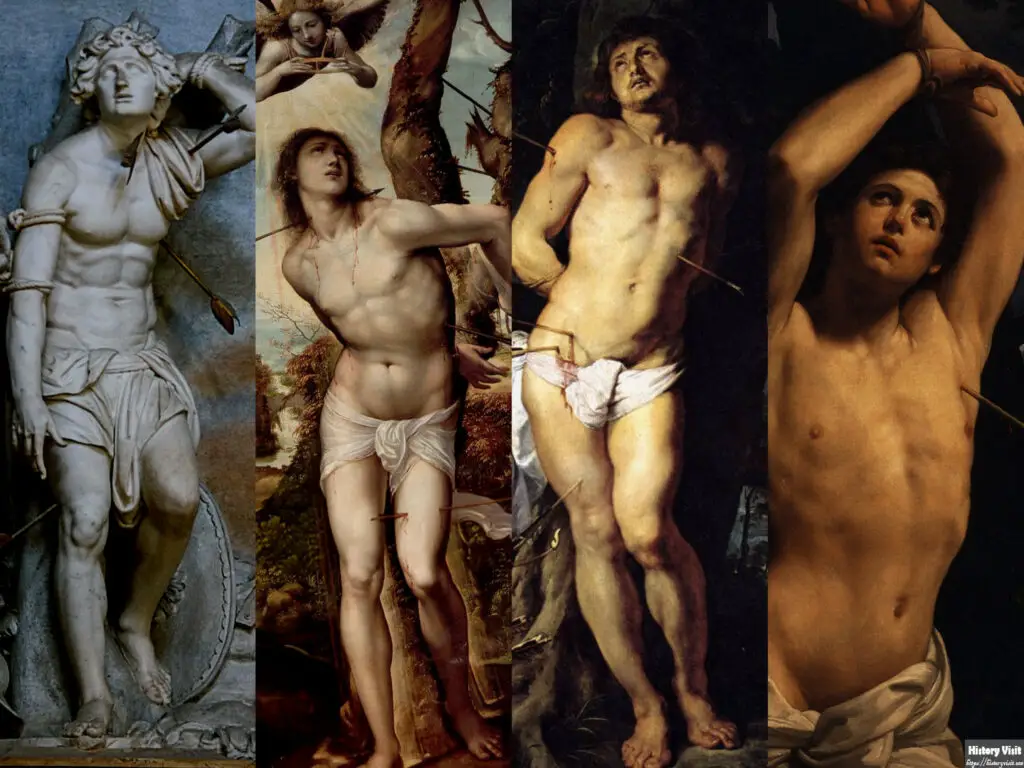
Saint Sebastian inspired Baroque artists deeply. Emotion and realism defined this period. Sculptors emphasized physical presence.
Saint Sebastian was shown during execution often. Arrows symbolized suffering. Calm expressions suggested faith.
Saint Sebastian images balanced pain and beauty. Artists avoided chaos. Control reflected belief.
Saint Sebastian statues invited reflection. Viewers connected emotionally. Art became devotion.
Saint Sebastian and Nicolas Blasset

Saint Sebastian was sculpted by Nicolas Blasset in 1634. Blasset worked during the French Baroque period. His style emphasized clarity.
Saint Sebastian appears composed in Blasset’s work. The body shows tension without despair. Faith guides expression.
Saint Sebastian’s form reflects anatomical study. Blasset followed classical balance. Baroque emotion remains restrained.
Saint Sebastian’s statue reflects regional devotion. Amiens Cathedral housed the sculpture. Sacred placement enhanced meaning.
Saint Sebastian in Amiens Cathedral
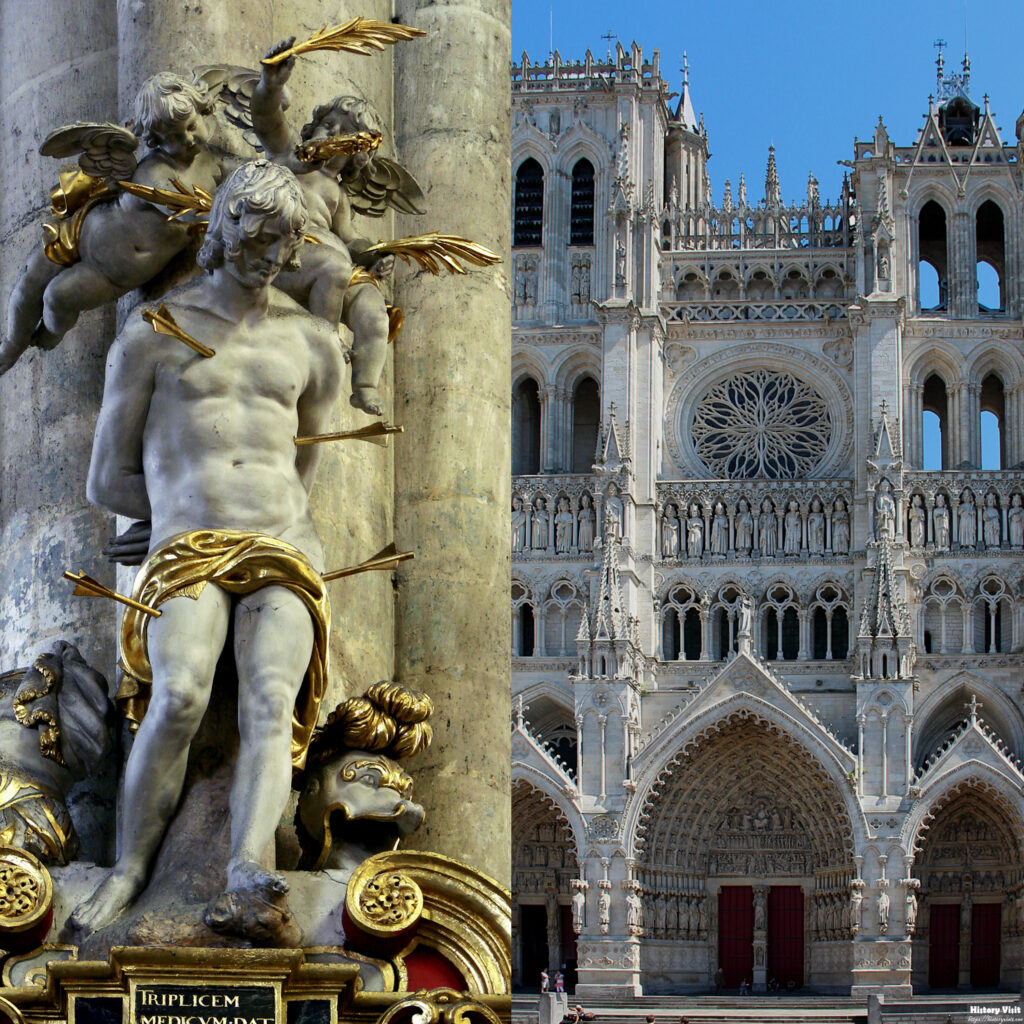
Saint Sebastian’s statue stands in Amiens Cathedral. The Gothic setting contrasts with Baroque sculpture. This contrast enriches viewing.
Saint Sebastian is shown during execution by arrows. The moment captures endurance. The saint accepts suffering.
Saint Sebastian’s posture appears upright. His gaze suggests prayer. Violence remains controlled.
Saint Sebastian’s presence guides worshippers. The sculpture supports meditation. Space amplifies message.
Saint Sebastian and Artistic Technique
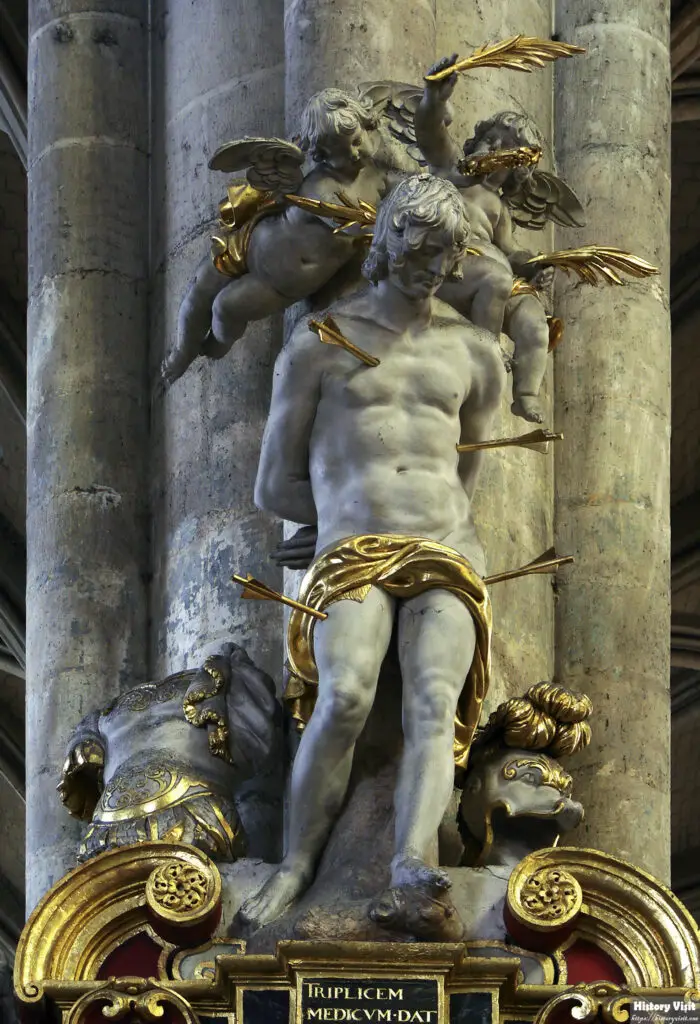
Saint Sebastian was carved with precision. Marble surfaces show smooth transitions. Light enhances form.
Saint Sebastian’s wounds remain symbolic. Pain is implied, not exaggerated. Spiritual focus dominates.
Saint Sebastian’s anatomy reflects study. Muscles suggest strength. Weakness is avoided.
Saint Sebastian’s arrows direct attention. Lines guide the viewer’s eye. Composition remains balanced.
Saint Sebastian and Emotional Expression
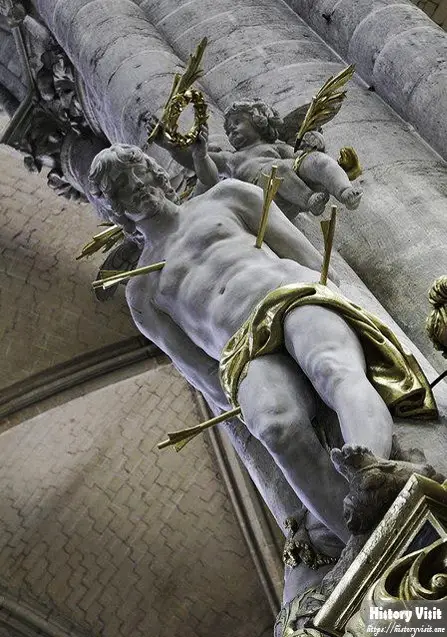
Saint Sebastian shows calm acceptance. Facial features remain serene. Faith defines emotion.
Saint Sebastian’s body communicates endurance. Tension appears controlled. Suffering becomes meaningful.
Saint Sebastian avoids dramatic agony. Baroque restraint guides portrayal. Viewers reflect quietly.
Saint Sebastian invites empathy. Emotion flows through stillness. Silence becomes powerful.
Saint Sebastian and Cultural Influence
Saint Sebastian influenced later artists strongly. Pain and beauty merged through his image. Tradition continued.
Saint Sebastian appeared in painting and sculpture. Renaissance and Baroque masters returned repeatedly. His form endured.
Saint Sebastian shaped Christian iconography. Martyrdom gained visual language. Art preserved belief.
Saint Sebastian remains relevant today. Museums and churches display his image. Meaning survives time.
Saint Sebastian and Religious Devotion
Saint Sebastian became central to prayer practices. People sought protection through his intercession. Faith deepened.
Saint Sebastian was invoked during disease outbreaks. Arrows symbolized plague. Healing hope followed.
Saint Sebastian’s image comforted believers. His endurance inspired trust. Art supported ritual.
Saint Sebastian’s devotion crossed centuries. Memory remained active. Sculpture anchored belief.
Saint Sebastian in European Sculpture History
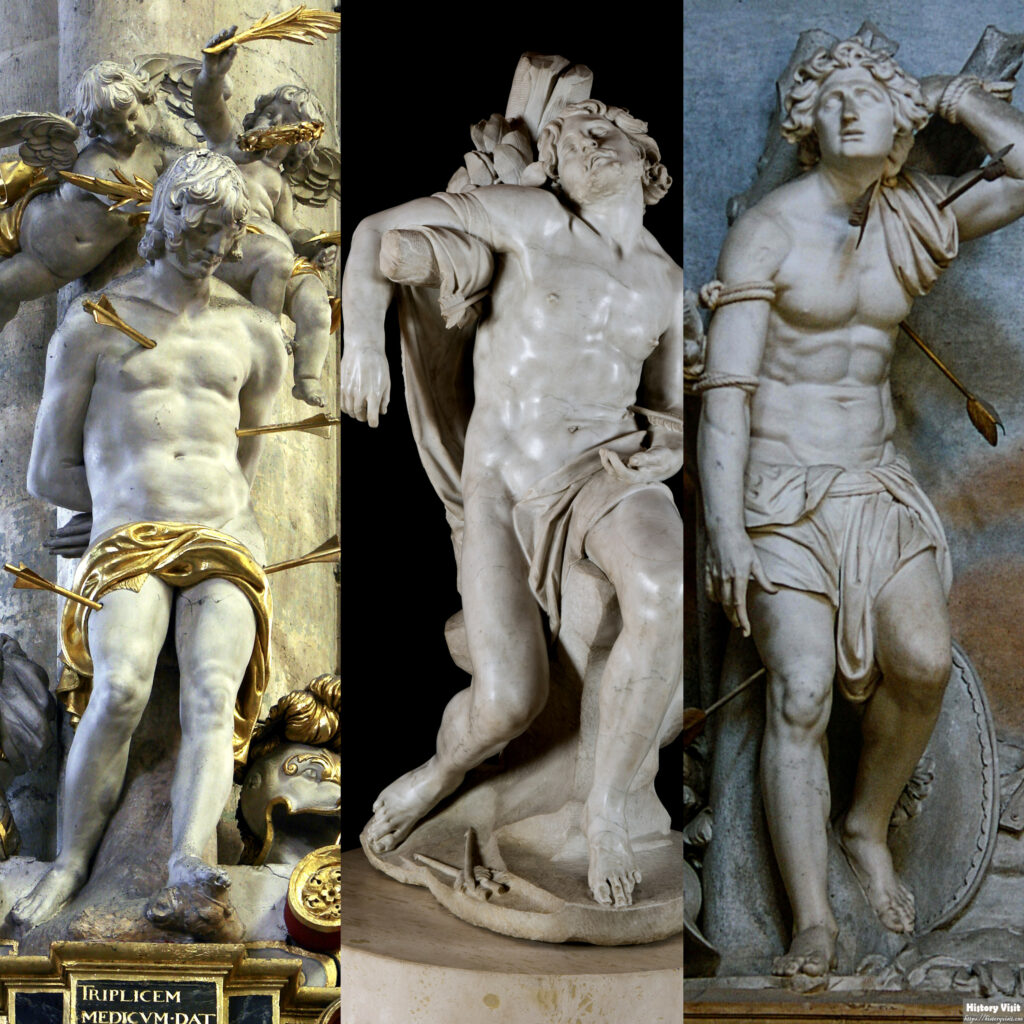
Saint Sebastian holds a key sculptural role. His body allowed anatomical study. Artists explored realism.
Saint Sebastian offered spiritual narrative. Form and meaning aligned. Sculpture became teaching.
Saint Sebastian bridged classical and Christian traditions. Pagan form met sacred story. Harmony resulted.
Saint Sebastian influenced later sacred commissions. His image guided style. Legacy continued.
Saint Sebastian and Historical Context
Saint Sebastian’s statue reflects seventeenth-century France. Catholic renewal shaped art. Faith guided patrons.
Saint Sebastian symbolized loyalty to church ideals. Martyr stories reinforced doctrine. Sculpture supported belief.
Saint Sebastian appeared during religious tension. Art promoted unity. Visual faith mattered.
Saint Sebastian’s image reinforced Catholic identity. Baroque sculpture served mission. Message stayed clear.
Saint Sebastian and Viewer Experience
Saint Sebastian invites slow viewing. Details reward patience. Meaning unfolds gradually.
Saint Sebastian’s silence speaks. Viewers sense strength. Reflection deepens.
Saint Sebastian encourages meditation. Pain becomes purpose. Faith transforms suffering.
Saint Sebastian remains powerful today. Emotional clarity persists. Art transcends time.
Conclusion
Saint Sebastian by Nicolas Blasset stands as a spiritual landmark. The sculpture combines faith, balance, and endurance. Meaning remains strong.
Saint Sebastian’s martyr story shaped Christian devotion. Early veneration confirmed his importance. Art preserved memory.
Saint Sebastian continues to inspire viewers. Amiens Cathedral protects this legacy. Faith and art unite.


