Lady Godiva by John Thomas (1861)
Introduction
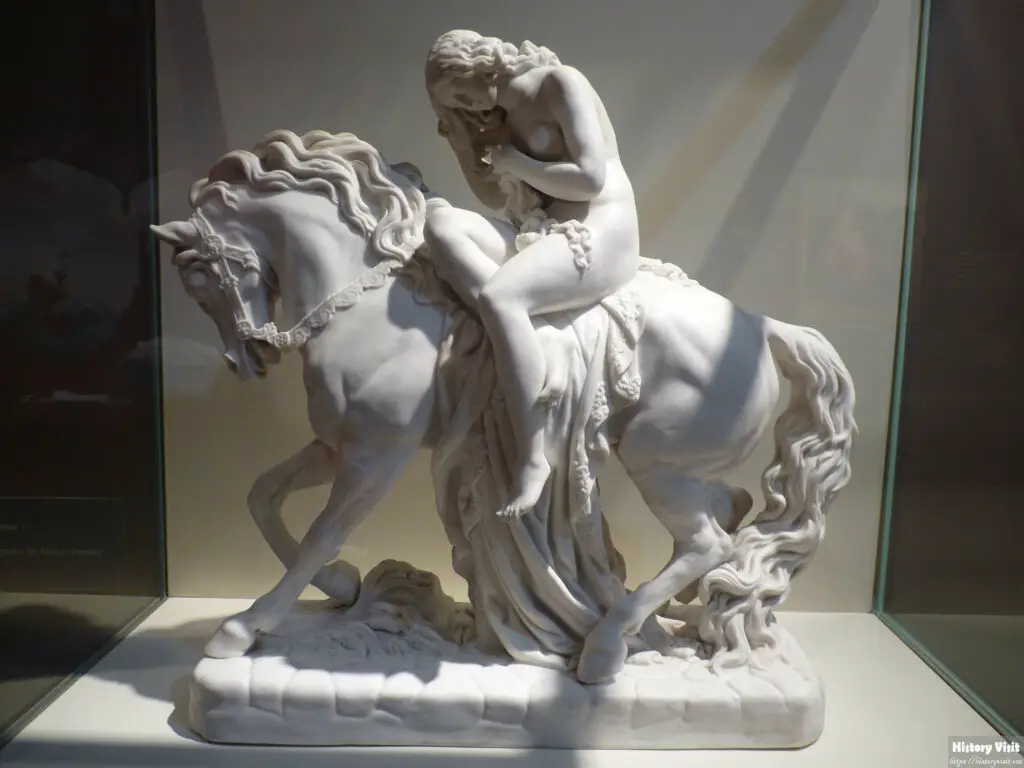
John Thomas created Lady Godiva during the Victorian era. John Thomas shaped marble with moral beauty. This sculpture reflected ideals of virtue and sacrifice.
The story of Lady Godiva inspired artists for centuries. John Thomas used restraint and dignity. The work avoided vulgar display.
Victorian audiences admired symbolic purity. John Thomas balanced myth and morality. The sculpture became a moral statement.
Historical Context of Lady Godiva by John Thomas

The legend of Lady Godiva dates to medieval England. John Thomas respected historical tradition. The tale symbolized compassion and courage.
Lady Godiva rode through Coventry unclothed. Her act protested heavy taxation. John Thomas softened this narrative through modest form.
Victorian society valued controlled emotion. John Thomas reflected these social values. The sculpture fit public taste.
The year 1861 marked artistic transition. John Thomas stood between classicism and realism. His work reflected both traditions.
John Thomas and Victorian Sculpture
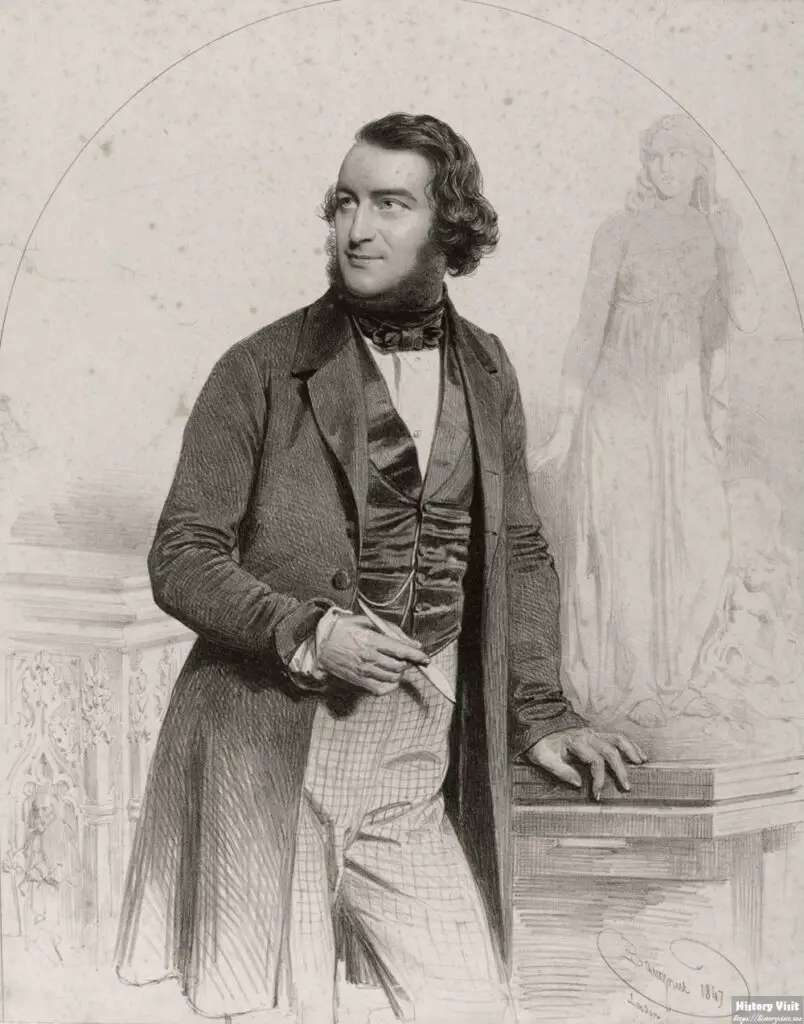
John Thomas worked during Britain’s sculptural revival. His training emphasized classical balance. Precision guided his artistic method.
Victorian sculptors favored narrative themes. John Thomas chose moral legends. Lady Godiva suited public ideals.
Marble became his chosen medium. John Thomas mastered surface refinement. Flesh appeared soft and calm.
His reputation grew steadily. John Thomas gained commissions and recognition. Lady Godiva strengthened his legacy.
Lady Godiva by John Thomas: Composition and Form
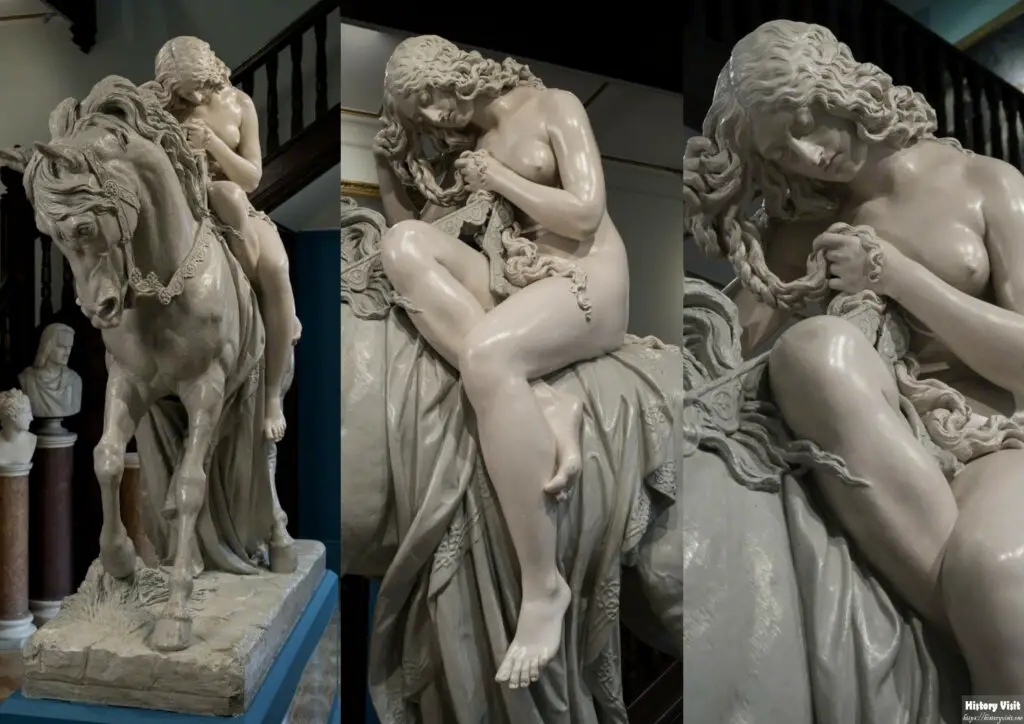
The sculpture presents Lady Godiva seated calmly. John Thomas avoided dramatic motion. Stillness defined the pose.
Her hair covered her body gently. John Thomas used flowing lines. Modesty remained intact.
The horse appears restrained. John Thomas reduced animal dominance. Focus stayed on human virtue.
Every curve served meaning. John Thomas planned balance carefully. No gesture felt excessive.
Symbolism in Lady Godiva by John Thomas
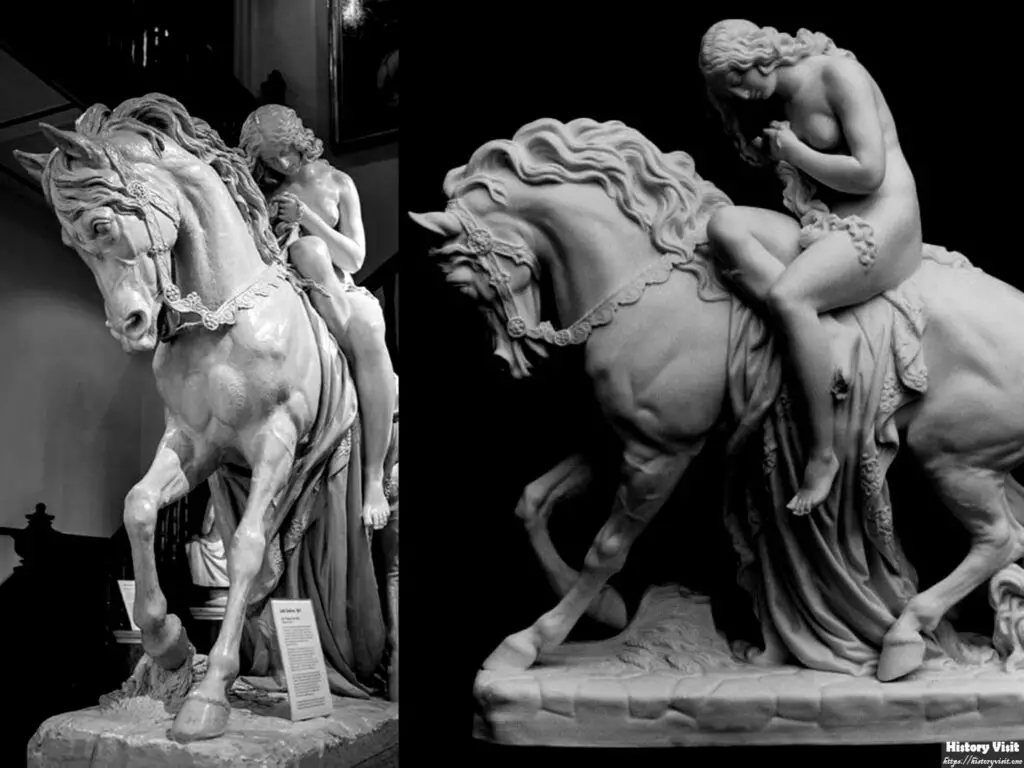
Lady Godiva symbolized selfless sacrifice. John Thomas highlighted moral strength. Physical exposure became spiritual courage.
Hair functioned as protection. John Thomas transformed nudity into dignity. Shame was absent.
The calm posture reflected resolve. John Thomas avoided suffering imagery. Strength appeared silent.
Victorian viewers read moral lessons. John Thomas guided interpretation gently. Symbolism replaced realism.
Victorian Morality and John Thomas
Victorian England valued restraint. John Thomas respected these boundaries. His sculpture aligned with social expectations.
Public art demanded propriety. John Thomas avoided scandal. Lady Godiva remained acceptable.
Female virtue mattered deeply. John Thomas emphasized inner purity. Physical beauty stayed secondary.
This balance ensured praise. John Thomas gained approval from critics. The sculpture endured.
Lady Godiva by John Thomas and Gender Ideals
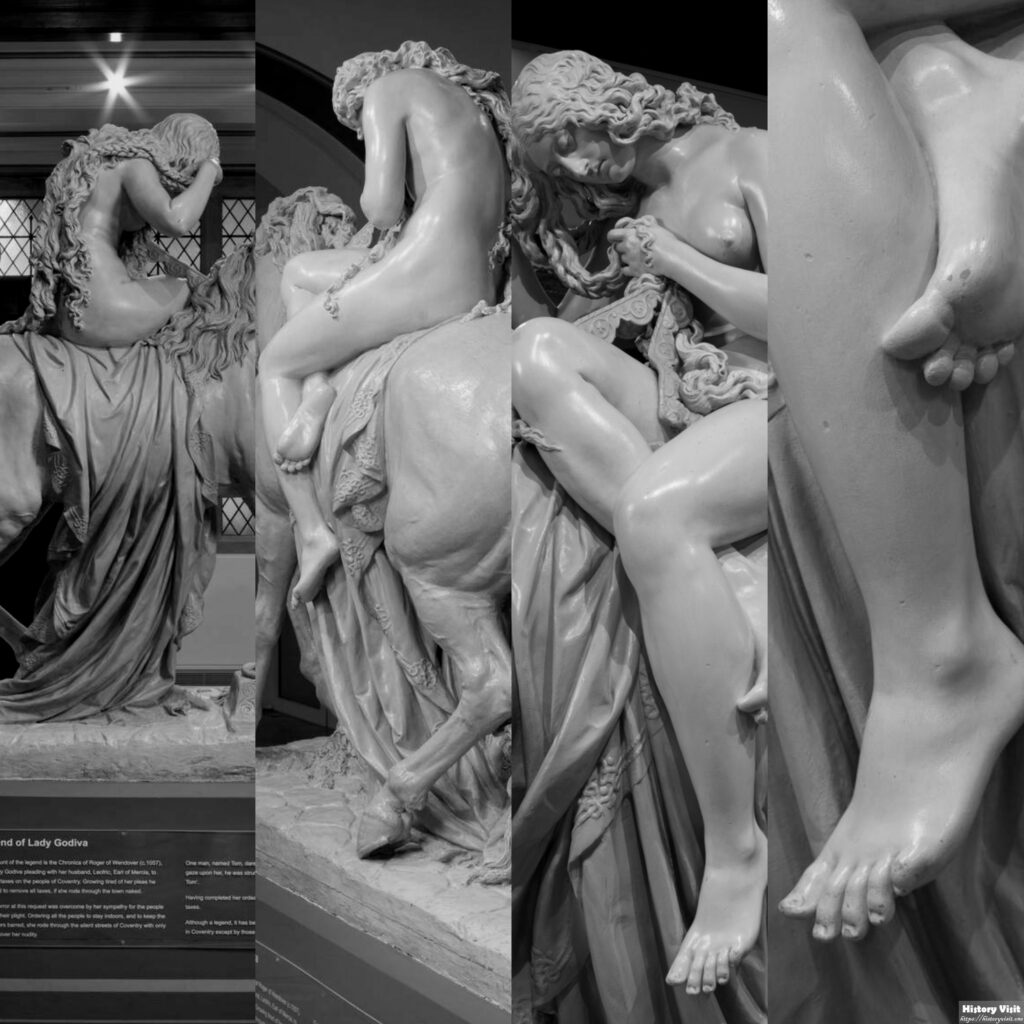
Women symbolized morality in Victorian art. John Thomas reinforced this role. Lady Godiva embodied virtue.
Strength appeared emotional, not physical. John Thomas shaped softness carefully. Power emerged through sacrifice.
The sculpture avoided erotic intent. John Thomas removed male gaze elements. Respect dominated composition.
Lady Godiva appeared timeless. John Thomas avoided specific identity. Universality increased impact.
Artistic Technique of John Thomas
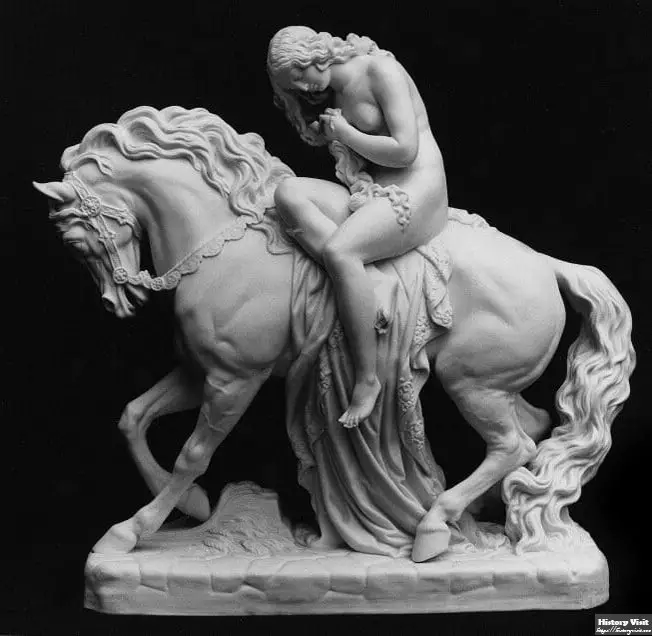
John Thomas worked marble patiently. Tools shaped gentle transitions. Surfaces appeared smooth.
Light interacted softly. John Thomas polished selectively. Shadows added depth.
Details remained minimal. John Thomas trusted form. Excess decoration was avoided.
Craftsmanship supported message. John Thomas valued clarity. Technique served meaning.
Public Reception of Lady Godiva by John Thomas
Victorian audiences admired the sculpture. John Thomas received praise. Critics noted refinement.
Museums displayed the work proudly. John Thomas gained wider recognition. Public trust increased.
Moral approval ensured survival. John Thomas avoided controversy. Longevity followed.
The sculpture entered cultural memory. John Thomas secured historical placement. His work endured.
Comparisons with Other Lady Godiva Sculptures
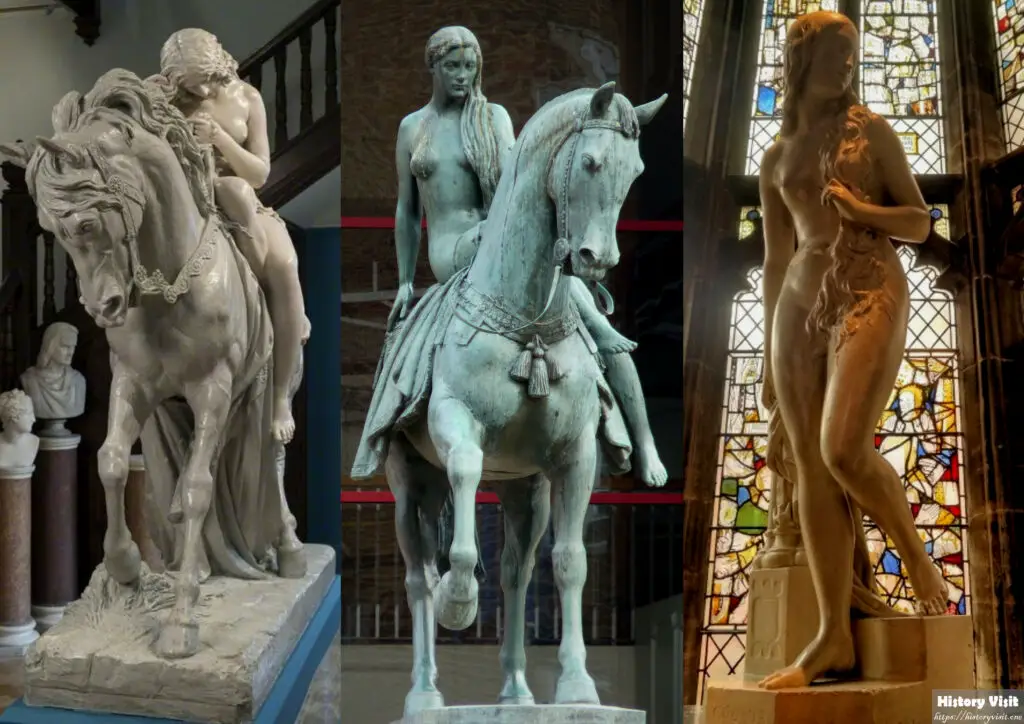
Many artists portrayed Lady Godiva. John Thomas differed through restraint. Others used drama.
Some versions emphasized movement. John Thomas preferred calm. Silence replaced action.
Hair often appeared symbolic. John Thomas perfected coverage. Modesty dominated.
His interpretation felt moral. John Thomas avoided spectacle. Victorian values guided choices.
Lady Godiva by John Thomas in Art History
The sculpture stands within Victorian tradition. John Thomas bridged eras. Classical form met modern ethics.
It reflects British sculptural identity. John Thomas shaped national taste. Moral storytelling mattered.
The work influenced later artists. John Thomas set standards. Respect guided representation.
Art historians note balance. John Thomas avoided extremes. Harmony defined his style.
Material Choice and Meaning
Marble symbolized purity. John Thomas selected carefully. Material matched theme.
White stone enhanced softness. John Thomas used light wisely. Shadows stayed gentle.
Durability mattered. John Thomas aimed for permanence. Moral messages required longevity.
Material supported restraint. John Thomas avoided color. Form remained primary.
Legacy of John Thomas Through Lady Godiva
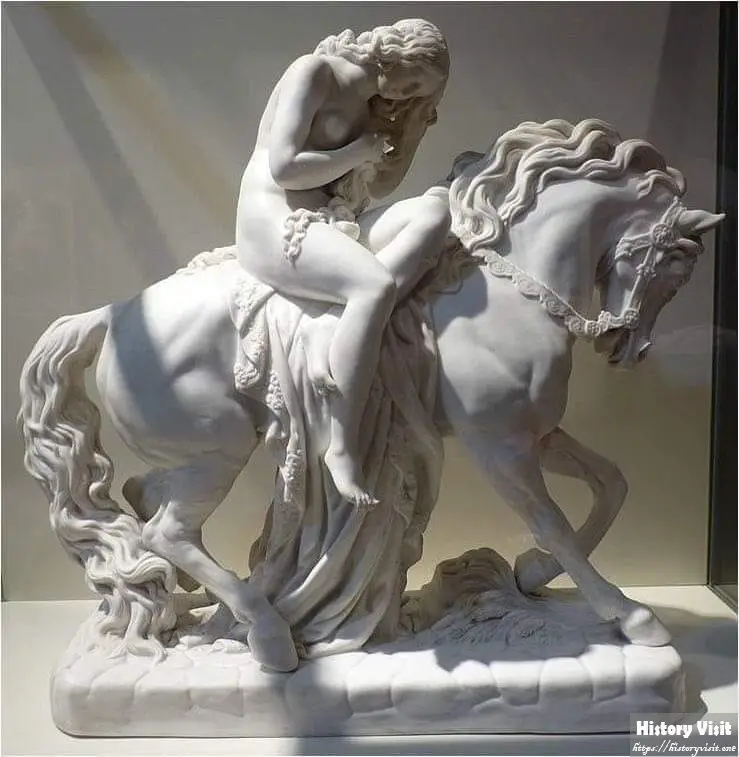
Lady Godiva became his signature. John Thomas gained lasting recognition. His name endured.
The sculpture preserved Victorian values. John Thomas documented moral culture. History remained visible.
Museums still reference the work. John Thomas continues influencing scholarship. Interest remains strong.
His legacy rests on balance. John Thomas united beauty and ethics. Harmony defined success.
Lady Godiva by John Thomas and Modern Interpretation
Modern viewers read symbolism differently. John Thomas invites reflection. Meanings evolve.
Some see feminism. John Thomas portrayed agency. Sacrifice appears empowered.
Others note restraint. John Thomas avoided exploitation. Respect dominates.
The sculpture remains relevant. John Thomas transcended time. Interpretation continues.
Conclusion
Lady Godiva by John Thomas remains a moral sculpture. John Thomas shaped dignity through marble. Victorian values guided every choice.
The work balanced legend and restraint. John Thomas avoided excess. Meaning replaced spectacle.
Today, the sculpture still speaks. John Thomas achieved timeless relevance. Beauty and virtue endure.


